
OUR COACHING PHILOSOPHY
1. Alignment with the LTAD Framework
Ensure all athlete performance programs are stage-appropriate. This means moving away from "early specialization" in most sports and focusing on physical literacy in the Learn to Train stage, while reserving intense high-performance protocols for the Train to Win stage.
2. Implementation of Gold Medal Profiles (GMP)
Develop sport-specific "Gold Medal Profiles" that define the physiological, technical, and mental benchmarks required to reach a podium. These profiles act as a roadmap for coaches to track athlete progress against international standards at every stage of the LTAD.
3. Integrated Support Teams (IST)
Surround athletes and coaches with a multidisciplinary team of experts, including nutritionists, physiologists, mental performance consultants, and biomechanists. The organization should facilitate clinics that teach coaches how to effectively lead and integrate these specialists into daily training environments.
4. "Coach the Coach" Mentorship Programs
Move beyond classroom certification by establishing formal mentorship networks. Pair emerging performance coaches with veteran Olympic/Paralympic coaches to share "soft skills" like leadership, athlete psychology, and managing high-pressure environments.
5. Data-Driven Coaching Clinics
Host advanced clinics focused on Performance Analysis technology. This ensures Canadian coaches are proficient in using wearable tech, video analysis, and data modeling to make objective decisions rather than relying on intuition alone.
6. Decentralized High-Performance Hubs
Create a network of regional training centers that provide localized access to HP resources. This prevents "talent drain" by allowing athletes in the Train to Compete stage to stay in their home regions longer, supported by coaching clinics that elevate local club standards.
7. Holistic Athlete Wellness & Life Services
Incorporate "Game Plan" (Canada's total athlete wellness program) into the HP strategy. Coaching clinics should include modules on athlete mental health, transitions out of sport, and safe sport environments, ensuring performance doesn't come at the cost of well-being.
8. Systematic Talent Identification (TID)
Establish a cross-sport talent identification system to find athletes with the physical markers for success in specific disciplines (e.g., rowing or cycling) who may have started in other sports. Use the LTAD pathway to transition these athletes efficiently into specialized HP programs.
COACHING LOCATIONS
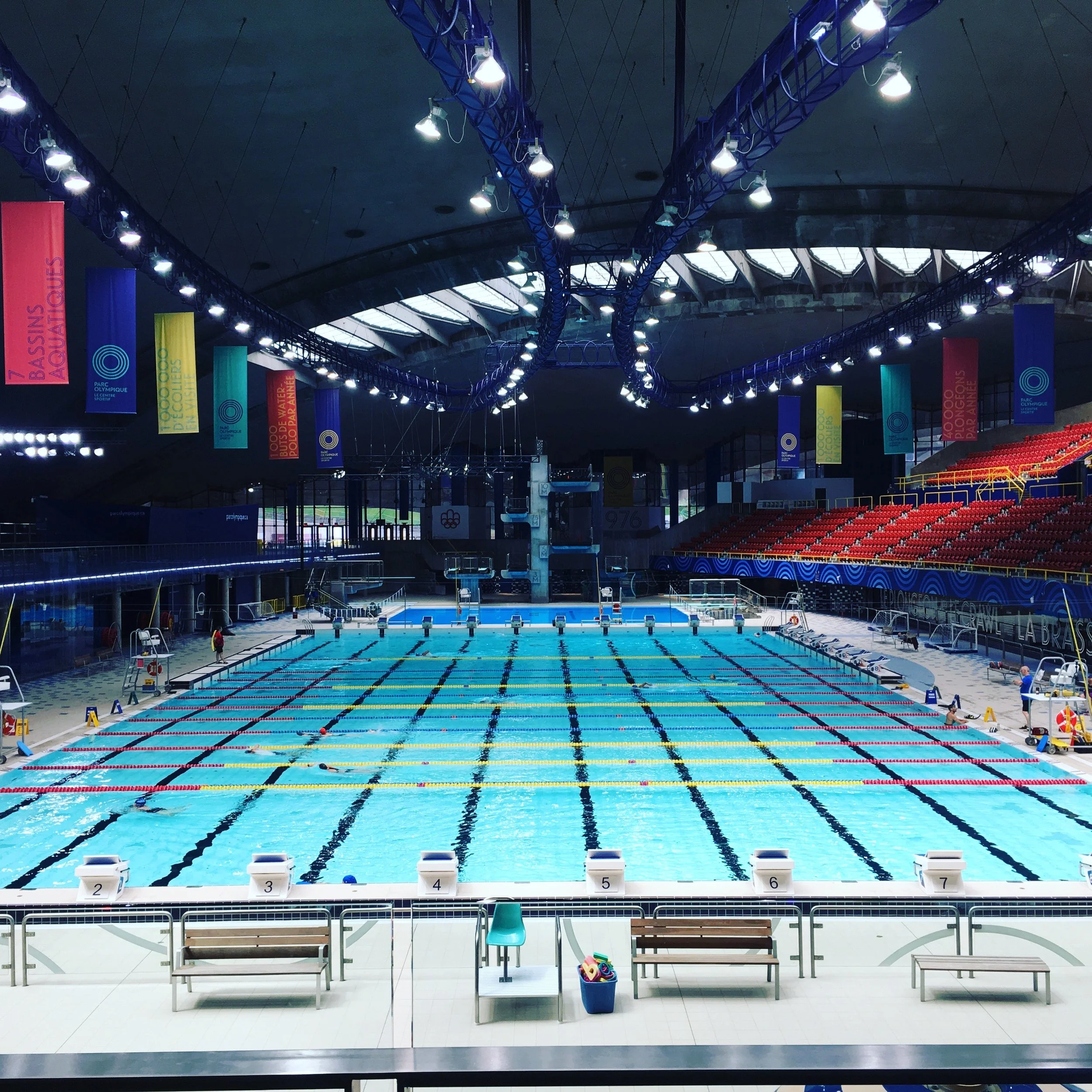
Montreal
Whatever it is, the way you tell your story online can make all the difference.
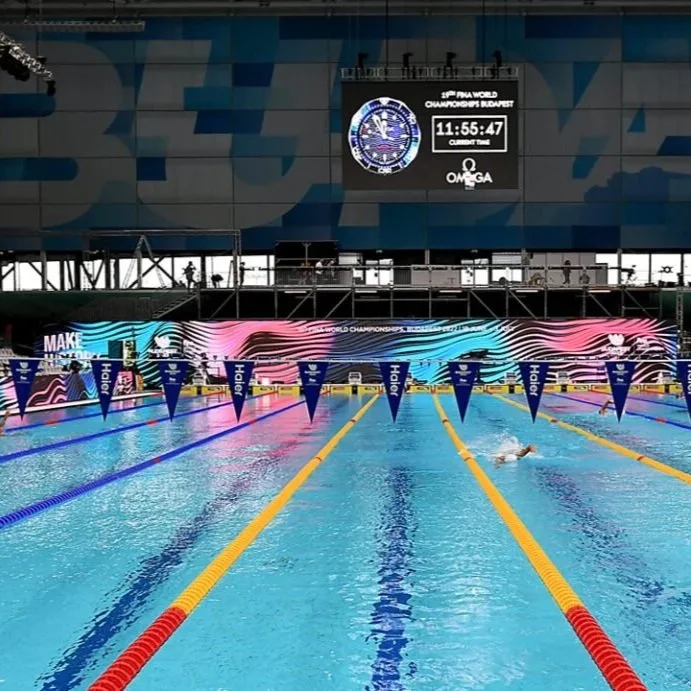
Budapest
Whatever it is, the way you tell your story online can make all the difference.